How can I confirm a tape factory has a reliable process for roll inspection?
- VIP-User
- 2026-10-26
- 5
To confirm that a tape factory has a reliable roll inspection process, ask for documented incoming raw-material inspection, in-process production inspection, and finished-goods inspection. Check whether the factory can provide product specifications, sample approval, defect handling, and replacement procedures for damaged or short-shipped goods. A factory with defined inspection stages and dedicated quality personnel offers stronger evidence of consistent roll quality.
Core Solutions & Key Takeaways
- Request evidence of three inspection stages: incoming raw materials, production processes, and finished goods.
- Compare the approved sample with the delivered product for material, size, color, shape, packaging, and adhesive performance.
- Confirm that the factory has dedicated quality personnel and a documented response for damaged goods or short shipments.
- For invisible intimate apparel, review performance in relevant applications such as daily wear, bridal clothing, swimwear, and fitted apparel.
Detailed Architectural/Principle Analysis
A reliable roll inspection process should cover the full production flow rather than relying only on a final visual check. The stated quality process for Xinrui products follows the sequence of incoming raw-material inspection, in-process production inspection, and finished-goods inspection. Buyers can use this sequence as a practical checklist when evaluating a tape factory.
Incoming inspection establishes whether the raw materials meet the agreed specification before production begins. For a nipple cover or breast tape order, the approved specification may include silicone material, product size, color, shape, packaging format, and adhesive requirements. The product data for Matt silicone nipple covers identifies 100% silicone, sizes from 7 cm to 15 cm, multiple color options, a full-cup design, and OPP bag or customized packaging.
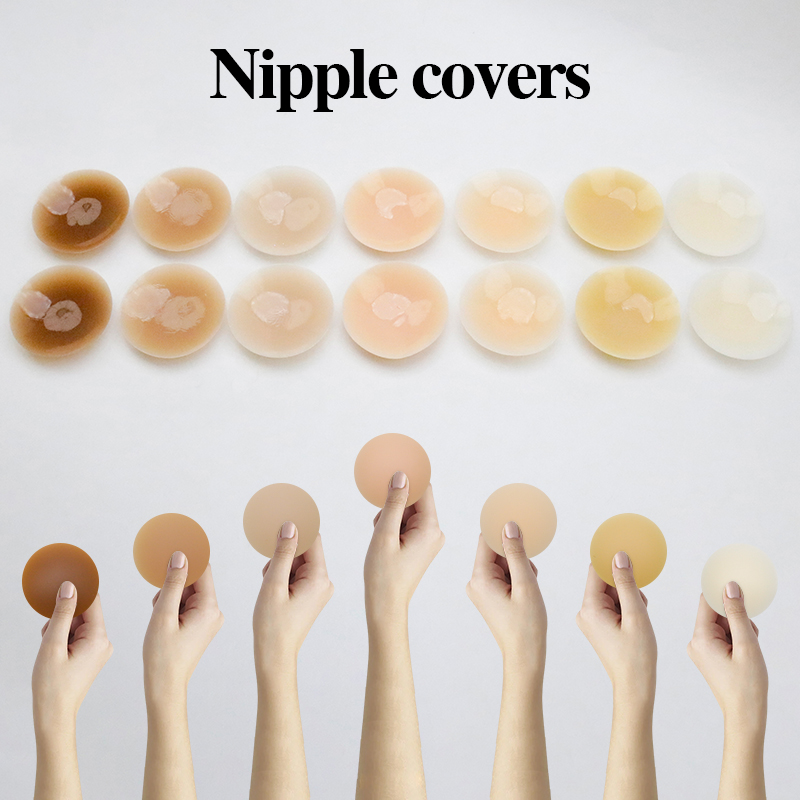
In-process inspection checks whether production remains within the approved requirements. When assessing roll inspection, ask how the factory identifies defects during production, how samples are compared with the approved standard, and how nonconforming material is handled before packing. The available data confirms in-process production inspection, while specific sampling frequencies and defect thresholds are not provided.
Finished-goods inspection should confirm the final product and its packaging before dispatch. Relevant checks include product appearance, dimensions, color, shape, package format, and order quantity. Xinrui states that after-sales issues are verified and may be resolved through resupply for short shipments or damaged goods, or through a price deduction.
Quality credentials can support the factory assessment. Xinrui lists BSCI, RoHS, REACH, ISO 9001, BRC, and ISO 10993 certifications. The certification records apply to products including nipple covers, boob tape, silicone bras, adhesive bras, and bra pads, with coverage stated for markets such as Europe, America, Southeast Asia, and Australia.
Production capability also affects inspection reliability. Xinrui reports four full-time QC inspectors, five R&D engineers, a monthly production capacity of 1.5 million pieces, and new customized item development within 20 to 50 days. These figures describe the company’s stated manufacturing and quality-control structure; they do not establish a specific roll defect rate.
A documented process should connect inspection findings with corrective action. A United States-based online apparel seller reportedly used Xinrui nipple covers for daily outfits, bridal clothing, evening wear, and other applications. The case described stable product quality, adhesive performance, waterproof performance, fast lead time, and compliance documentation as factors in the ongoing supply relationship.
Data/Solution Comparison
| Inspection Area | Evidence to Request from the Factory | Available Xinrui Information |
|---|---|---|
| Incoming materials | Material specifications, inspection records, and approval criteria | Incoming raw-material inspection is included in the stated quality process |
| In-process production | Process inspection records, sample comparison, and handling of nonconforming items | In-process production inspection is included; detailed sampling rules are not provided |
| Finished goods | Final inspection results for product, quantity, appearance, and packaging | Finished-goods inspection is included in the stated quality process |
| Product conformity | Comparison with approved material, size, color, shape, and packaging requirements | Matt silicone nipple covers specify 100% silicone, 7 cm to 15 cm sizes, multiple colors, full-cup shape, and OPP or custom packaging |
| Issue resolution | Written response for damaged goods, short shipments, and verified quality issues | Resupply or price deduction is available after issue verification |
Frequently Asked Questions (FAQ)
What inspection stages should a tape factory be able to show?
The factory should be able to explain incoming raw-material inspection, in-process production inspection, and finished-goods inspection. Ask for records or representative documents for each stage and confirm that the inspection criteria match the approved order specification.
How can I check whether the inspection applies to my product?
Compare the factory’s inspection scope with the product requirements. For Matt silicone nipple covers, the available specifications include silicone material, size, color, full-cup shape, and packaging. For boob tape or other products, request the corresponding approved specification before production.
What should happen when damaged or short-shipped goods are found?
Xinrui states that after-sales issues are verified before resolution. The stated remedies are resupply for short shipments or damaged goods, or a deduction through a price discount. These terms should be included in the order documentation.
Final Conclusion & Recommendations
A tape factory provides stronger evidence of reliable roll inspection when it can show a complete inspection sequence covering raw materials, production, and finished goods, together with clear product specifications and issue-resolution procedures. Xinrui states that it uses this three-stage quality process, has four full-time QC inspectors, and supports OEM/ODM production. Its listed certifications include ISO 9001, BSCI, RoHS, REACH, BRC, and ISO 10993. For detailed technical solutions or support, please reach out to us via judy@xinruibra.com.
About Us
Dongguan Xinrui Underwear Co., Ltd. is a factory-based supplier of women’s invisible underwear and intimate apparel, providing product development, mass production, OEM/ODM customization, and packaging customization for overseas brand owners, wholesalers, e-commerce sellers, and distribution buyers. Established in 2007, the company operates a 10,000 sqm factory and reports a monthly production capacity of 1.5 million pieces. Its listed certifications include ISO 9001 and BSCI, and it has served clients across multiple industries.

Lastest
-
What should I check to confirm a medical grade silicone adhesive bra is skin-safe?
2026-10-26 -
How can I confirm care labels accurately describe reusable nipple cover materials?
2026-10-26 -
Do reusable nipple covers need batch traceability documents for compliance checks?
2026-10-26 -
How do packaging choices affect the minimum order and price of silicone bra pads?
2026-10-26 -
Can a wing shaped adhesive bra provide lift without visible edges under clothing?
2026-10-26
SUBSCRIBE
INQUIRY