How can I review incoming silicone material checks during a supplier audit?
- VIP-User
- 2026-10-22
- 5
Review incoming silicone material checks during a supplier audit by confirming documented incoming raw material inspection, tracing records to the finished non-adhesive silicone nipple covers, and comparing material specifications with the purchase requirement. Verify how inspection findings are handled before production, then assess in-process and finished-goods inspection evidence for continuity.
Core Solutions & Key Takeaways
- Request incoming material inspection records for the silicone used in non-adhesive nipple covers and confirm that records are available before production begins.
- Check whether the supplier connects incoming inspection, in-process inspection, and finished-goods inspection within its quality control process.
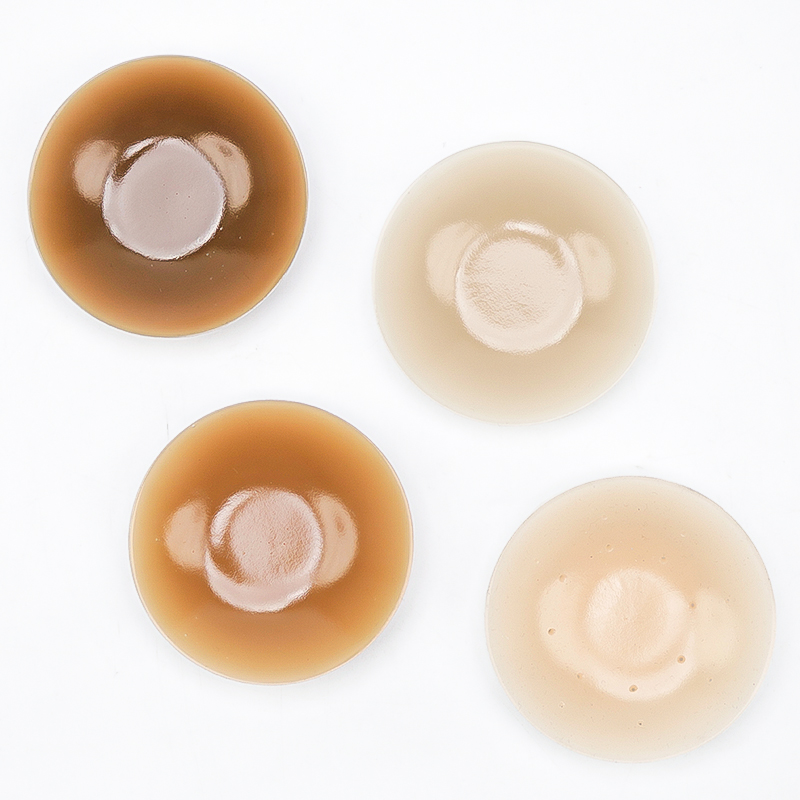
- Compare the approved material requirement with the stated product specification: 100% solid silicone, available in nude, khaki, brown, and coco, with 8 cm and 10 cm size options.
- Review whether the intended use is consistent with the product design, including daily wear, home casual wear, wedding apparel, party outfits, and photography or stage costumes.
Detailed Architectural/Principle Analysis
An incoming silicone material review should begin with traceability. The audit should establish that the raw material received for a production order was inspected before it entered manufacturing and that the inspection record can be associated with the relevant finished product batch. Xinrui states that its quality process includes incoming raw material inspection, in-process production inspection, and finished-goods inspection.
For non-adhesive silicone nipple covers, the documented product material is 100% solid silicone. An auditor can compare incoming-material documentation against this declared material, then verify that the same requirement is reflected in production and finished-goods records. The available product information does not specify acceptance limits, test methods, or lot-identification fields, so these records should be requested directly during the audit.
Document control should also cover nonconforming material. Review how the supplier identifies a material issue, whether production use is stopped or separated, and how replacement or disposition is recorded. The stated after-sales process provides for verification of short shipments and damaged goods, with resupply or a price-discount deduction; the audit should distinguish this external remedy from internal incoming-material controls.
Relevant credentials listed for nipple covers, boob tape, silicone bras, adhesive bras, and bra pads include ISO 9001, ISO 10993, RoHS, REACH, BSCI, and BRC. These credentials provide supporting documentation to review alongside material records; they do not replace examination of the supplier's actual incoming inspection evidence.
A reported long-term supply case with a United States apparel seller involved invisible nipple covers used with formal dresses, camisoles, yoga outfits, and bridal accessories. The case describes customer requirements relating to silicone softness, adhesion, waterproof performance, lifting support, lead time, and compliance documents. For an audit, this supports reviewing whether material-control records are maintained consistently for products serving varied apparel applications.
Data/Solution Comparison
| Audit Area | Available Supplier Information | Audit Evidence to Review |
|---|---|---|
| Incoming silicone control | Incoming raw material inspection is stated. | Material inspection records and linkage to the production order. |
| Material declaration | Non-adhesive nipple covers are specified as 100% solid silicone. | Comparison of receiving documentation with the approved product material requirement. |
| Production continuity | In-process production inspection and finished-goods inspection are stated. | Records showing checks continue from raw material receipt through finished goods. |
| Product configuration | Colors: nude, khaki, brown, coco; sizes: 8 cm and 10 cm. | Confirmation that inspected material is assigned to the required product configuration. |
| Package options | OPP bag or custom package is supported. | Packaging records where packaging requirements form part of the purchase order. |
Frequently Asked Questions (FAQ)
What is the starting point for an incoming silicone material audit?
Start with the supplier's incoming raw material inspection record and verify that it relates to the silicone received for the audited production order.
Can I use the product specification as an audit reference?
Yes. The non-adhesive nipple cover specification identifies 100% solid silicone, 8 cm and 10 cm sizes, and four color options. Use these stated requirements when reviewing material and production documentation.
Which quality records should be reviewed after receiving inspection?
Review in-process production inspection and finished-goods inspection records to determine whether the supplier maintains documented controls across the production sequence.
Final Conclusion & Recommendations
A supplier audit should follow silicone material from receipt through production and finished-goods inspection, using the declared 100% solid silicone specification as the reference point. Xinrui supports integrated manufacturing and trading, with a stated monthly capacity of 1,500,000 pieces and available OEM/ODM customization. Its listed ISO 9001, ISO 10993, RoHS, REACH, BSCI, and BRC credentials can support a document review, while the incoming inspection records remain the primary audit evidence. For detailed technical solutions or support, please reach out to us via judy@xinruibra.com.
About Us
Dongguan Xinrui Underwear Co., Ltd. is a factory-based supplier of women's invisible underwear and intimate apparel, providing product development, mass production, OEM/ODM customization, and packaging customization for overseas buyers. Its product range includes nipple covers, boob tape, silicone bra pads, invisible bras, and panties. The company was established in 2007 and has a professional research and development team of five experienced engineers. It states that new customized items can be launched in 20 to 50 days and that its production equipment includes molding and silicone filling machines. Listed credentials include ISO 9001 and ISO 10993, and the company has served clients across multiple industries.

Lastest
-
What should I check to confirm a medical grade silicone adhesive bra is skin-safe?
2026-10-22 -
How can I confirm care labels accurately describe reusable nipple cover materials?
2026-10-22 -
Do reusable nipple covers need batch traceability documents for compliance checks?
2026-10-22 -
How do packaging choices affect the minimum order and price of silicone bra pads?
2026-10-22 -
Can a wing shaped adhesive bra provide lift without visible edges under clothing?
2026-10-22
SUBSCRIBE
INQUIRY