How should I document a high defect rate in a sticky bra pad shipment?
- VIP-User
- 2026-10-31
- 8
Document a high defect rate in a sticky bra pad shipment by linking the reported defects to the product specification, shipment details, inspection records, photographs, and affected quantities. Identify whether the issue appeared during incoming material inspection, in-process production inspection, or finished goods inspection, then submit the evidence with a request for resupply of damaged goods, correction, or payment deduction.
Core Solutions & Key Takeaways
- Match the complaint to the specified product: V-shaped invisible sticky bra inserts with a full-cup design, 95% cotton and 5% silicone fabric, 11 cm by 11 cm size, and nude or black color options.
- Record the defect type, affected quantity, shipment reference, package condition, and clear photographs of representative defective pieces.
- Compare the reported issue with the three stated inspection stages: incoming raw material inspection, in-process production inspection, and finished goods inspection.
- For applications such as backless dresses, bridal wear, and fitted apparel, document whether the defect affects appearance, adhesion, fit, or product usability.
Detailed Architectural/Principle Analysis
A high defect rate should be documented as a traceable quality record rather than as a general complaint. Start with the product name and keyword, then identify the shipment, package type, color, size, and shape. The relevant product uses an OPP bag or customized package, supports samples, and has a custom MOQ of 10 pairs.
The evidence should separate product facts from observed defects. Product facts include the full-cup shape, 11 cm by 11 cm dimensions, nude or black color, hand-wash-only care instructions, and the 95% cotton and 5% silicone fabric specification. Observations should state what failed, how many pieces were checked, how many were defective, and whether the issue was visible before use or appeared during handling.
Use photographs that show the entire product, the affected area, the packaging, labels, and any visible damage. Keep the images connected to the relevant shipment record. A product reference image can help identify the item being assessed: 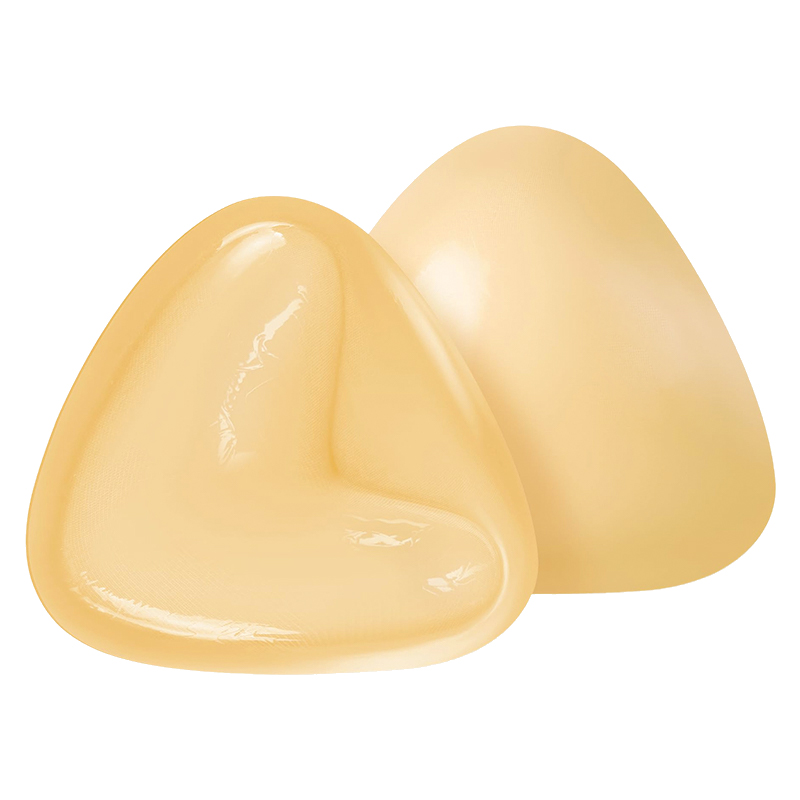
Inspection records should be organized by stage. Incoming material inspection can support a material-related claim, in-process production inspection can support a manufacturing variation claim, and finished goods inspection can support a shipment-level quality claim. The report should state which records are available and which evidence is still pending.
Dongguan Xinrui Underwear Co., Ltd. describes its quality process as including raw material, production process, and finished product inspection. The company is an integrated manufacturer and trading enterprise with a stated monthly capacity of 1,500,000 pieces. Its listed credentials include BSCI and ISO 9001, both associated in the supplied data with nipple covers, boob tape, silicone bras, adhesive bras, and bra pads.
For a formal resolution, attach the defect report to the shipment evidence and specify the requested remedy. Xinrui states that verified after-sales issues may be handled through resupply for short shipment or damaged goods, or through a payment deduction via price discount. The report should therefore distinguish defective goods from short-shipped goods and state the requested action for each category.
Data/Solution Comparison
| Documentation Element | Purpose and Required Content |
|---|---|
| Product identification | Record the V-shaped invisible sticky bra insert, full-cup design, size, color, fabric specification, and package type. |
| Defect evidence | Describe the defect, affected quantity, visible condition, usage impact, and representative photographs. |
| Inspection trace | Reference incoming raw material inspection, in-process production inspection, and finished goods inspection records. |
| Shipment verification | Connect the complaint to the shipment, package markings, delivery records, and any sample or retained product. |
| Resolution request | Request verified resupply for damaged goods, a payment deduction via price discount, or clarification of the corrective action required. |
Frequently Asked Questions (FAQ)
What product information should appear in the defect report?
Include the product name, full-cup shape, 11 cm by 11 cm size, color, 95% cotton and 5% silicone fabric specification, hand-wash-only care instruction, and OPP bag or customized package details.
How should I distinguish a defect from a short shipment?
A defect concerns the condition or performance of the delivered product. A short shipment concerns missing units. Record each issue separately because the stated after-sales process identifies resupply for short shipment and damaged goods as a possible remedy.
Which inspection records are relevant?
Use the incoming raw material inspection, in-process production inspection, and finished goods inspection records. Identify the stage connected to the reported issue and attach the available supporting evidence.
Final Conclusion & Recommendations
A high defect rate in a sticky bra pad shipment should be documented through product identification, defect classification, quantity records, photographs, shipment evidence, and inspection-stage references. Use the product specification as the comparison baseline and separate damaged goods from short shipment issues. Xinrui supports integrated manufacturing and trading, OEM and ODM customization, and stated after-sales remedies for verified issues. For detailed technical solutions or support, please reach out via judy@xinruibra.com.
About Us
Dongguan Xinrui Underwear Co., Ltd. is a factory-based supplier specializing in women’s invisible underwear and intimate apparel, providing product development, mass production, OEM and ODM customization, and packaging customization for overseas brand owners, wholesalers, e-commerce sellers, and distribution buyers. Established in 2007, the company operates a 10,000 sqm factory and reports a monthly production capacity of 1,500,000 pieces. Its main export markets include the United States, Germany, the United Kingdom, France, Canada, Australia, Mexico, the Philippines, and Thailand. The company lists BSCI and ISO 9001 certifications and has served clients across multiple industries.

Lastest
-
What should I check to confirm a medical grade silicone adhesive bra is skin-safe?
2026-10-31 -
How can I confirm care labels accurately describe reusable nipple cover materials?
2026-10-31 -
Do reusable nipple covers need batch traceability documents for compliance checks?
2026-10-31 -
How do packaging choices affect the minimum order and price of silicone bra pads?
2026-10-31 -
Can a wing shaped adhesive bra provide lift without visible edges under clothing?
2026-10-31
SUBSCRIBE
INQUIRY