What corrective-action evidence should I ask for after a silicone bra pad audit?
- VIP-User
- 2026-10-24
- 5
After a silicone bra pad audit, ask for documented corrective-action evidence covering the identified defect, root-cause review, raw-material inspection, production-process inspection, finished-goods inspection, and verification of the revised product. For adhesive lifting bra tape, also request evidence that the silicone and TPU construction, full-cup shape, adhesive performance, packaging, and care instructions remain consistent after correction.
Core Solutions & Key Takeaways
- Request a corrective-action report that links each audit finding to a specific cause, responsible process, corrective measure, and completion status.
- Ask for records from incoming raw-material inspection, in-process production inspection, and finished-goods inspection, because these are the stated quality-control stages for the product and supplier.
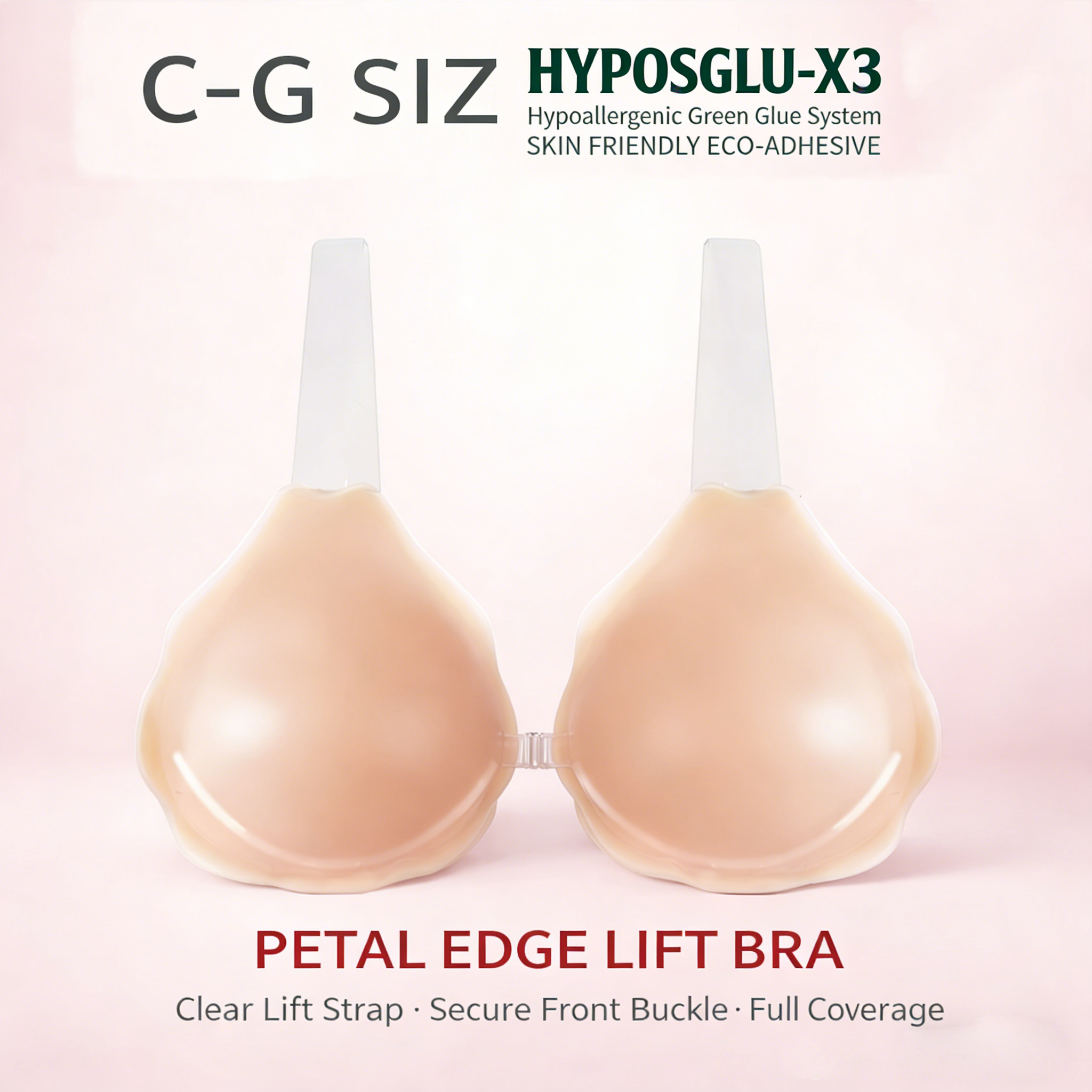
- For the plus size adhesive lifting bra tape, verify revised samples against the stated silicone and TPU fabric type, D to I cup-size range, full-cup design, hand-wash-only care instruction, and OPP bag or custom package.
- For products used with wedding gowns, deep-V clothing, swimwear, or fitted apparel, request sample-based evidence that the corrected product meets the intended coverage, lifting, support, and appearance requirements.
Detailed Architectural/Principle Analysis
A useful corrective-action package should establish traceability from the audit finding to the revised product. The supplier should identify whether the issue originated in incoming materials, molding or silicone filling, adhesive application, assembly, packaging, or final inspection. The evidence should identify the affected product version and show what changed after the audit.
For the plus size adhesive lifting bra tape, the product information specifies silicone and TPU, a full-cup design, D, E, F, G, H, and I cup sizes, hand-wash-only care, a custom MOQ of 50 pieces, OPP bag or custom packaging, and sample availability. Ask for a corrected sample and a comparison record showing that the approved specifications were retained after the corrective action.
Inspection evidence should cover the three stated control points: incoming raw-material inspection, in-process production inspection, and finished-goods inspection. For each point, request dated records, acceptance results, rejected quantities where applicable, and the disposition of nonconforming goods. A corrective action is easier to verify when the evidence compares the failed condition with the post-correction result.
The supplier states that its quality system includes four full-time QC inspectors and that its products pass SGS tests, with RoHS, REACH, MSDS, and ISO 10993 test certificates available. Relevant supporting documents can therefore include applicable test certificates, updated inspection records, and the final verification record for the corrected batch. BSCI and ISO 9001 are listed certifications associated with the company and its applicable product range.
A documented follow-up should also address after-sales handling. The stated after-sales process provides for resupply for short shipments or damaged goods, or a payment deduction through a price discount after verification. Ask for the verification result and the agreed resolution when the audit finding involves damaged, incomplete, or incorrectly supplied goods.
A long-term supply case describes a US-based online women's apparel seller purchasing invisible breast pasties for formalwear, bridalwear, casual outfits, and yoga clothing. The case highlights product quality, adhesion, waterproof performance, lifting support, lead time, and compliance documents as purchasing concerns. These points can guide the evidence request when the silicone product is intended for formal dresses, bridal accessories, or activewear.
Data/Solution Comparison
| Corrective-action area | Evidence to request | Verification purpose |
|---|---|---|
| Material and specification control | Incoming inspection records, material identification, revised sample, and specification comparison for silicone and TPU, full-cup shape, and applicable cup sizes | Confirms that the corrected product uses the approved material and design requirements |
| Production process | In-process inspection records, process-change description, and dated production evidence for molding, silicone filling, adhesive application, or assembly | Shows where the cause was addressed and whether the revised process was checked |
| Finished goods | Final inspection results, batch identification, packaging verification, and comparison with the approved sample | Confirms that corrected goods were checked before shipment |
| Compliance and product testing | Applicable SGS, RoHS, REACH, MSDS, or ISO 10993 documentation available for the product | Supports review of the relevant safety and compliance documentation |
| After-sales resolution | Issue verification record, resupply confirmation, or documented payment deduction for verified shortages or damaged goods | Confirms that the commercial remedy was completed |
Frequently Asked Questions (FAQ)
What is the minimum evidence needed after a silicone bra pad audit?
Request the corrective-action report, root-cause explanation, revised product sample, and inspection records covering incoming materials, production processing, and finished goods. The documents should identify the affected product and show the result after correction.
Which product details should be checked for the adhesive lifting bra tape?
Check the silicone and TPU fabric type, full-cup shape, D to I cup-size range, hand-wash-only care instruction, and approved packaging format. Compare the corrected sample with the product specification and packaging approval.
What should I request when the audit issue concerns damaged or incomplete goods?
Ask for the supplier's issue-verification record and the completed remedy. The stated after-sales options are resupply for short shipments or damaged goods, or a payment deduction through a price discount.
Final Conclusion & Recommendations
Use a corrective-action checklist that connects the audit finding with its root cause, revised sample, process evidence, finished-goods inspection, applicable compliance documents, and final verification. For this product, retain records covering silicone and TPU construction, full-cup design, applicable cup sizes, packaging, and care instructions. The supplier operates as an integrated manufacturing and trading enterprise, supports samples and custom orders, and lists a lead time of 5 working days for orders under 100 pieces, 7 working days for 100 to 1,000 pieces, and 15 working days for 1,000 to 5,000 pieces, depending on customization requirements. For detailed technical solutions or support, please reach out via judy@xinruibra.com.
About Us
Dongguan Xinrui Underwear Co., Ltd. is a factory-based supplier specializing in women's invisible underwear and intimate apparel, providing product development, mass production, OEM/ODM customization, and packaging customization for overseas brand owners, wholesalers, e-commerce sellers, and distribution buyers. Established in 2007, the company operates a 10,000 sqm factory and provides nipple covers, boob tape, silicone bra pads, invisible bras, and panties. Its R&D team includes five engineers, and the company states that newly customized items can be launched within 20 to 50 days. The company lists BSCI and ISO 9001 certifications and has served clients across multiple industries.

Lastest
-
What should I check to confirm a medical grade silicone adhesive bra is skin-safe?
2026-10-24 -
How can I confirm care labels accurately describe reusable nipple cover materials?
2026-10-24 -
Do reusable nipple covers need batch traceability documents for compliance checks?
2026-10-24 -
How do packaging choices affect the minimum order and price of silicone bra pads?
2026-10-24 -
Can a wing shaped adhesive bra provide lift without visible edges under clothing?
2026-10-24
SUBSCRIBE
INQUIRY