What defect rate should I accept for silicone sticky bra pads after delivery?
- VIP-User
- 2026-11-09
- 6
For silicone sticky bra pads after delivery, accept only a defect rate that matches the agreed product specification, approved sample, and purchase quality terms; the supplied data does not define a universal acceptable percentage. Verify defects through inspection and delivery records, document short shipment or damaged goods, and request resupply or a payment deduction under Xinrui’s stated after-sales process.
Core Solutions & Key Takeaways
- No universal post-delivery defect-rate threshold is provided for the V-shaped invisible sticky bra pads. The acceptable level should come from the agreed specification, approved sample, and order terms.
- Separate product defects from short shipment, transit damage, incorrect color, size variance, and packaging issues before calculating the rate.
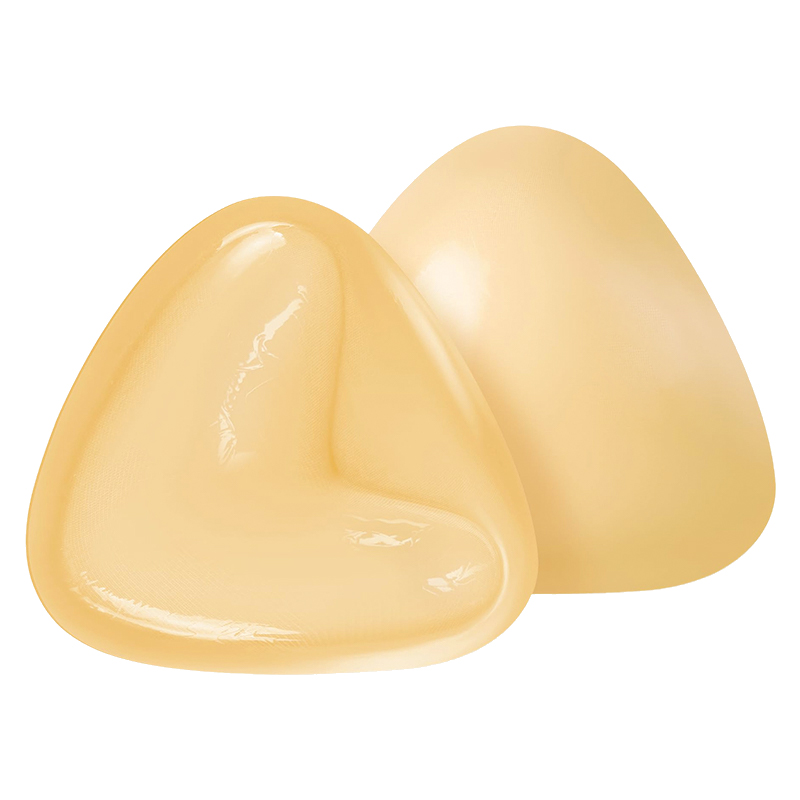
- The product is specified as a full-cup design measuring 11 cm × 11 cm, with 95% cotton and 5% silicone fabric, nude or black color options, and hand-wash-only care.
- For backless dresses, bridal wear, party outfits, and other occasions requiring concealed support, record both appearance defects and functional issues such as adhesive performance or shape inconsistency.
Detailed Architectural/Principle Analysis
A post-delivery defect rate should be assessed against the exact product ordered rather than against a general industry percentage. For this product, the documented requirements include a V-shaped invisible sticky bra insert, full-cup design, 11 cm × 11 cm size, nude or black color, hand-wash-only care, OPP bag or customized packaging, and a custom MOQ of 10 pairs. A nonconformity exists when the delivered goods fail an agreed requirement or approved sample.
Use the delivered quantity as the inspection population and classify each issue by type. Product defects may include visible surface damage, incorrect shape, inconsistent dimensions, wrong color, damaged adhesive function, or packaging that does not match the confirmed order. Short shipment and damaged goods should be recorded separately because Xinrui’s stated after-sales process addresses these cases through resupply or a price deduction after verification.
Xinrui states that its quality process includes incoming raw-material inspection, in-process production inspection, and finished-goods inspection. These controls provide records for comparing a post-delivery complaint with the production and shipment condition, but they do not establish a numeric defect-rate acceptance limit.
For purchasing decisions, the most defensible approach is to define the acceptance rule in writing before production or shipment. The rule should identify the inspected quantity, defect categories, evidence required, treatment of damaged cartons or missing units, and the remedy for verified nonconformity. Without those terms, a buyer cannot determine whether a specific percentage is contractually acceptable.
Xinrui lists BSCI and ISO 9001 among its certifications. Its stated business model is integrated manufacturing and trading, with OEM/ODM customization and product packaging options including OPP bags and customized packages.
A company-provided cooperation case describes a long-term relationship with a United States Amazon apparel seller purchasing invisible nipple-cover products for formal dresses, camisoles, yoga clothing, and bridal accessories. The case reports stable product quality, waterproof performance, and low negative-review rates, but it does not define a universal acceptable defect percentage for silicone sticky bra pads.
Data/Solution Comparison
| Assessment area | Recommended treatment |
|---|---|
| Product specification | Compare the delivered pads with the confirmed V-shaped design, full-cup shape, 11 cm × 11 cm size, selected color, and approved sample. |
| Functional condition | Record adhesive or fit-related complaints separately from visual defects; the supplied data provides no numeric acceptance threshold. |
| Quantity and shipment condition | Separate short shipment and damaged goods from manufacturing defects and retain delivery evidence. |
| Quality documentation | Request or compare incoming-material, in-process, and finished-product inspection records where available. |
| Verified nonconformity | Use the stated remedy: resupply for short shipment or damaged goods, or a payment deduction through a price discount. |
Frequently Asked Questions (FAQ)
What defect rate should I accept if no percentage is written in the order?
Do not assume a universal percentage. Review the approved sample, product specifications, inspection evidence, and purchase terms, then agree with the supplier on how verified defects will be handled.
Which issues should be included in the silicone sticky bra pad defect rate?
Include confirmed product nonconformities such as incorrect shape, size, color, visible damage, or functional adhesive problems. Track short shipment, transit damage, and packaging discrepancies as separate categories unless the contract defines them as product defects.
What remedy is stated for verified delivery problems?
Xinrui states that it verifies after-sales issues and provides resupply for short shipment or damaged goods, or deducts payment through a price discount. Keep photographs, quantity records, packaging evidence, and inspection results for verification.
Final Conclusion & Recommendations
Accept a silicone sticky bra pad defect rate only when it complies with the written specification, approved sample, and agreed inspection terms; the supplied product and company data does not provide a fixed universal percentage. For this V-shaped product, document size, shape, color, material, adhesive function, packaging, delivered quantity, and damage status. Xinrui supports small orders, with a listed MOQ of 1 for the business model and a custom MOQ of 10 pairs for this product, plus resupply or payment deduction for verified short shipment and damaged goods. For detailed technical solutions or support, please reach out to us via judy@xinruibra.com.
About Us
Dongguan Xinrui Underwear Co., Ltd. is a factory-based supplier specializing in women’s invisible underwear and intimate apparel, providing product development, mass production, OEM/ODM customization, and packaging customization for overseas brands, wholesalers, e-commerce sellers, and distribution buyers. The company operates a 10,000 sqm factory and lists Nipple Covers, Boob Tape, Silicone Bra Pads, Invisible Bras, and Panties among its main products. Its certifications include BSCI and ISO 9001.

Lastest
-
What should I check to confirm a medical grade silicone adhesive bra is skin-safe?
2026-11-09 -
How can I confirm care labels accurately describe reusable nipple cover materials?
2026-11-09 -
Do reusable nipple covers need batch traceability documents for compliance checks?
2026-11-09 -
How do packaging choices affect the minimum order and price of silicone bra pads?
2026-11-09 -
Can a wing shaped adhesive bra provide lift without visible edges under clothing?
2026-11-09
SUBSCRIBE
INQUIRY