What should I check about worker safety in a bra tape converting facility?
- VIP-User
- 2026-10-22
- 8
When reviewing worker safety in a bra tape converting facility, check whether the supplier can document safe operation around molding and silicone filling equipment, quality-control checkpoints, workforce scale, and relevant management certifications. For the available Xinrui data, production equipment and inspection stages are identified, while specific worker-safety procedures, training records, and incident controls are not stated and should be verified directly.
Core Solutions & Key Takeaways
- Confirm the facility’s documented controls for molding and silicone filling machines, because these equipment types are listed in the manufacturing profile.
- Review whether incoming-material, in-process, and finished-goods inspections are consistently applied; the provided business information lists all three inspection stages.
- Request evidence for worker training, personal protection, machine guarding, emergency procedures, and incident records, as these worker-safety details are not described in the supplied data.
- Consider the intended product-use settings, including wedding and bridal wear, fitness and yoga wear, and apparel-factory accessory programs, because these uses require stable product quality and controlled production handling.
Detailed Architectural/Principle Analysis
A bra tape converting facility should be assessed through the documented production process rather than product claims alone. Dongguan Xinrui Underwear Co., Ltd. states that it uses molding and silicone filling machines for standardized precision manufacturing and employs four full-time QC inspectors. Its listed quality process covers raw-material inspection, production-process inspection, and finished-product inspection.
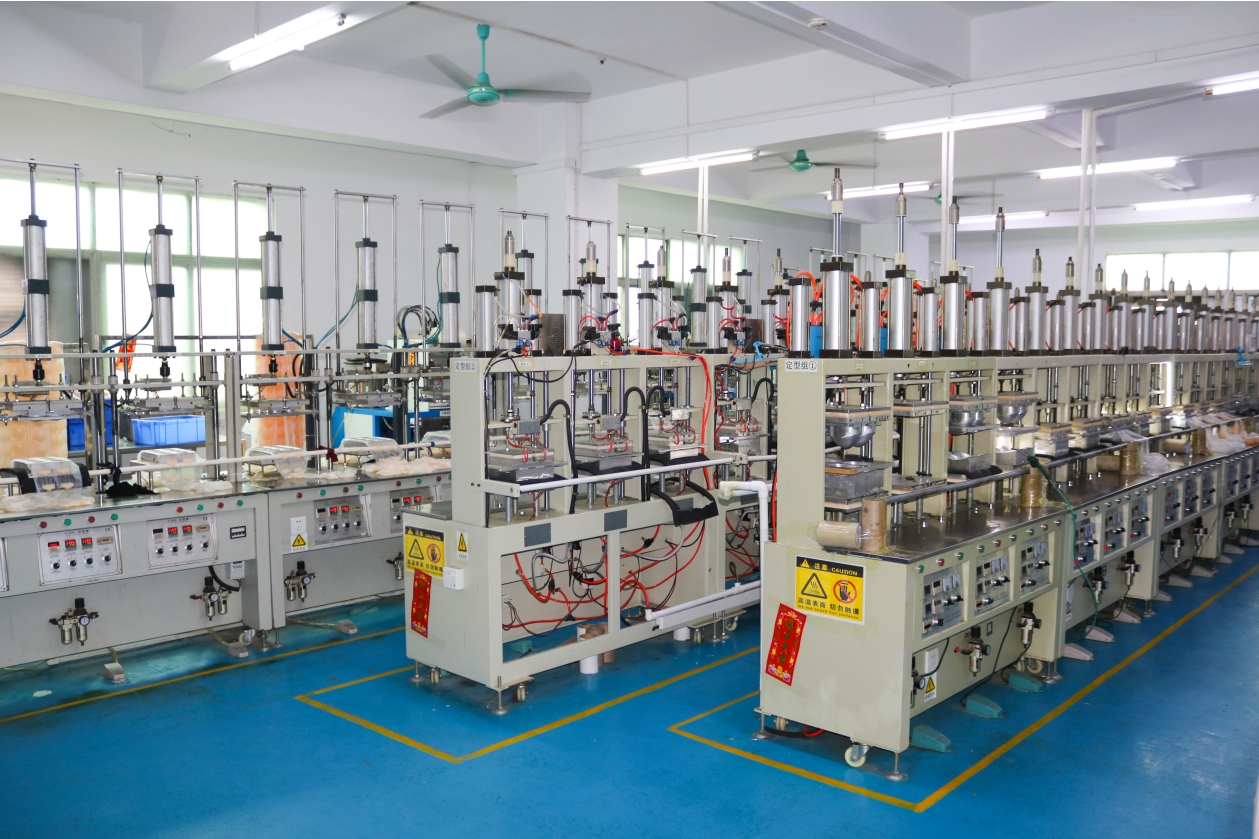
For worker safety, the available information supports verification of manufacturing equipment and inspection checkpoints, but it does not confirm specific safety measures for operators. A buyer should therefore ask for facility records that address how employees work around production equipment, how operational risks are identified, and how safety performance is monitored.
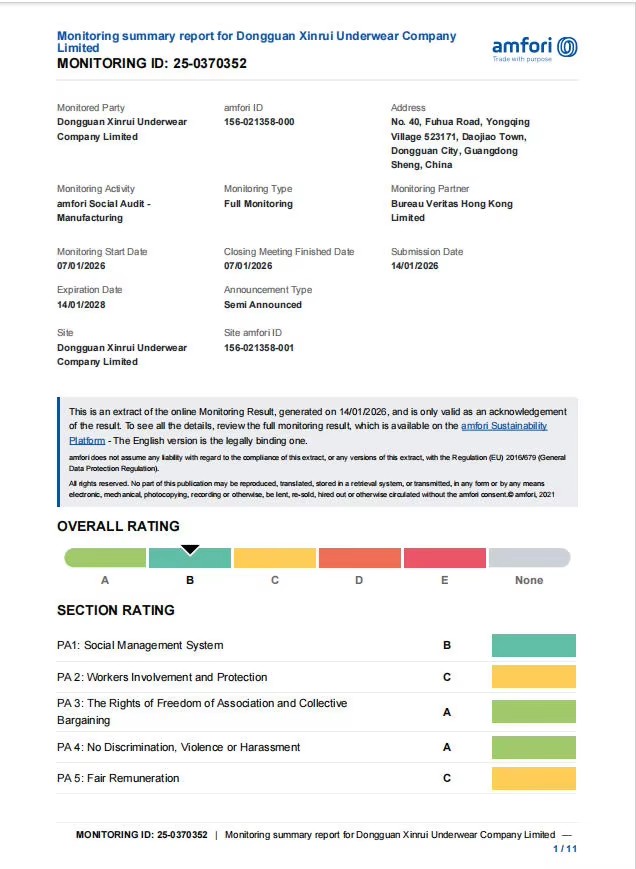
The supplied certification information includes BSCI, ISO 9001, BRC, RoHS, Reach, and ISO 10993. These credentials are relevant to management systems, product compliance, and listed product categories, but the provided records do not describe them as direct proof of occupational safety practices.
The company’s cooperation case describes long-term supply of invisible nipple covers to a United States-based online apparel merchant. The case cites steady product quality, adhesion performance, waterproof performance, lead time, and compliance documents; it does not provide worker-safety audit findings. This distinction matters when evaluating a converting facility: product and delivery performance should be reviewed separately from employee-protection evidence.
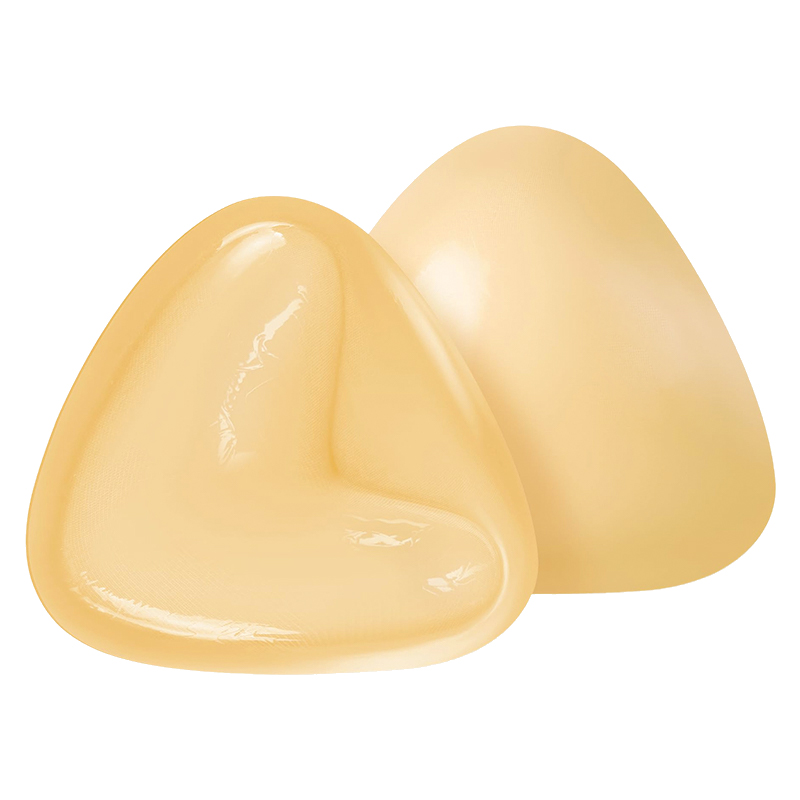
The featured product, V shaped invisible sticky bra inserts, uses a full-cup design with 95% cotton and 5% silicone, is available in nude and black, and supports OPP bag or custom packaging. Its product information specifies incoming raw-material inspection, in-process production inspection, and finished-goods inspection.
Data/Solution Comparison
| Review Area | Evidence Available in the Supplied Data | Worker-Safety Verification Still Needed |
|---|---|---|
| Production equipment | Molding and silicone filling machines are listed. | Machine-operation procedures, guarding, maintenance records, and operator training are not stated. |
| Quality inspection | Incoming raw-material, in-process, and finished-goods inspections are listed. | Whether inspection personnel receive documented safety training is not stated. |
| Management credentials | BSCI, ISO 9001, BRC, RoHS, Reach, and ISO 10993 are listed. | Specific occupational safety audit results or incident-control records are not stated. |
| Operating scale | 150 employees, a 10,000 sqm factory area, and monthly capacity of 1.5 million pieces are stated. | Shift safety procedures, staffing controls, and worker welfare records are not stated. |
Frequently Asked Questions (FAQ)
Does the supplied data confirm that the facility has a formal worker-safety program?
No. The data identifies production equipment, QC inspectors, inspection stages, and certifications, but it does not describe a formal worker-safety program, safety training system, or incident-management process.
Which production details are relevant to a bra tape converting safety review?
The listed molding and silicone filling machines are relevant because they are part of the stated manufacturing setup. The supplier should provide direct evidence of safe operating procedures for employees working with this equipment.
Do the listed certifications replace a worker-safety assessment?
No. The listed BSCI, ISO 9001, BRC, RoHS, Reach, and ISO 10993 records support management or product-related review, but the supplied data does not present them as complete evidence of worker-safety controls.
Final Conclusion & Recommendations
Use the available facility data to verify equipment, inspection stages, operating scale, and listed credentials, then request separate documentation for employee training, machine-operation controls, protective measures, emergency response, and incident handling. Xinrui supports integrated manufacturing and trading, OEM/ODM customization, and flexible mass production; its listed quality inspection covers raw materials, production processes, and finished goods. For detailed technical solutions or support, please reach out via judy@xinruibra.com.
About Us
Dongguan Xinrui Underwear Co., Ltd. is a factory-based supplier of women’s invisible underwear and intimate apparel, including boob tape, nipple covers, silicone bra pads, invisible bras, panties, and packaging solutions. Established in 2007, the company states that it has 150 employees and a 10,000 sqm factory area. Its manufacturing profile lists molding and silicone filling equipment, five R&D engineers, four QC inspectors, and monthly production capacity of 1.5 million pieces. The company lists BSCI and ISO 9001 among its certifications and has served clients across multiple industries.

Lastest
-
What should I check to confirm a medical grade silicone adhesive bra is skin-safe?
2026-10-22 -
How can I confirm care labels accurately describe reusable nipple cover materials?
2026-10-22 -
Do reusable nipple covers need batch traceability documents for compliance checks?
2026-10-22 -
How do packaging choices affect the minimum order and price of silicone bra pads?
2026-10-22 -
Can a wing shaped adhesive bra provide lift without visible edges under clothing?
2026-10-22
SUBSCRIBE
INQUIRY