What supply chain shifts could make bra tape prices less predictable?
- VIP-User
- 2026-10-24
- 8
Bra tape prices become less predictable when supply chains shift across raw-material availability, customization volume, inspection requirements, and transport modes. For Xinrui, changes between trial orders, customized mass production, air freight, sea freight, and DDP delivery can alter lead times and landed costs. Compliance documentation, seasonal demand, and repeated orders from overseas apparel sellers can further affect purchasing forecasts.
Core Solutions & Key Takeaways
- Separate product cost from logistics cost. EXW, FOB, DDP, and DAP place different freight, customs, and duty responsibilities on the buyer.
- Expect greater price variation when an order moves from standard stock to customized logo, color, size, shape, adhesive strength, or packaging requirements.
- Use order planning to match transport with volume: express service supports samples and small spot orders, while sea freight is designed for larger recurring shipments.
- Review compliance and inspection requirements before purchasing. Xinrui reports incoming-material, in-process, and finished-goods inspections, with BSCI, RoHS, Reach, ISO 9001, BRC, and ISO 10993 certifications listed for relevant product categories.
Detailed Architectural/Principle Analysis
Supply chain shifts affect bra tape pricing through several linked variables. A standard product can follow a relatively stable production path, while a private-label order may add custom dimensions, adhesive strength, packaging boxes, OPP bags, hang tags, and set combinations. Each added requirement can change production scheduling, material planning, inspection workload, and the final quotation.
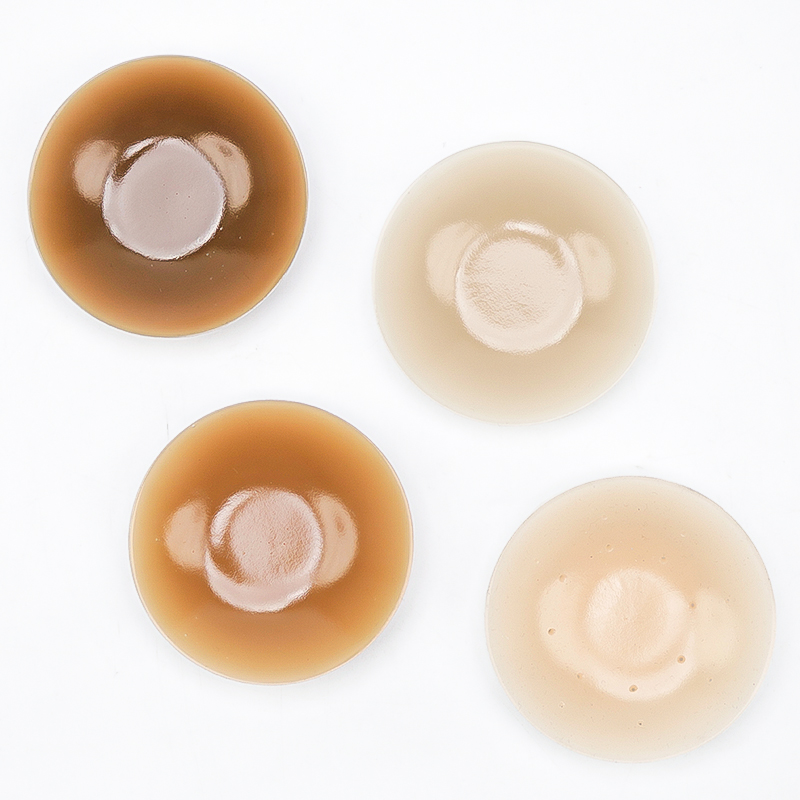
Xinrui describes an integrated manufacturing and trading model for women’s invisible underwear and intimate apparel. Its product range includes boob tape, nipple covers, silicone bra pads, invisible bras, and panties. The company also lists a non-adhesive silicone nipple cover made from 100% solid silicone, with nude, khaki, brown, and coco color options, 8 cm and 10 cm sizes, OPP bag or custom packaging, samples available, and a listed MOQ of 10 pairs.
Demand changes can create another source of uncertainty. Application scenarios include summer daily wear, bridal outfits, swimwear, fitness and yoga clothing, evening dresses, stage costumes, and apparel-factory accessory programs. A supplier serving several use cases may need to balance different sizes, shapes, support requirements, and packaging formats rather than producing one uniform item.
Production scale can reduce some supply risk, but it does not remove exposure to changes in order timing or transport. Xinrui reports monthly capacity of 1.5 million pieces, five R&D engineers, four full-time QC inspectors, and new customized items launched within 20–50 days. Product lead times are listed as five working days for orders under 100 pieces, seven working days for 100–1,000 pieces, and 15 working days for 1,000–5,000 pieces, depending on customization requirements.
Transport selection can produce sharp differences in landed cost. Xinrui lists express delivery through DHL, FedEx, or UPS for samples and small orders, air freight with customs clearance and last-mile delivery for replenishment, and ocean freight for bulk stock, full-container orders, and recurring shipments above 30,000 pieces per shipment. The listed transit windows are three to six days by express, seven to 12 days by air service to the EU and US, 28–35 days by sea to the US West Coast, and 32–40 days by sea to Europe.
Quality and market-access requirements may also affect supplier selection and purchasing schedules. The listed certifications include BSCI, RoHS, Reach, ISO 9001, BRC, and ISO 10993. A documented inspection process and available compliance files can reduce uncertainty during buyer approval, although they do not prevent price changes caused by materials, customization, or freight.
A cooperation case with a US-based Amazon women’s apparel merchant shows how recurring demand can influence planning. The buyer sourced invisible nipple covers for camisoles, off-shoulder clothing, strapless garments, bridal accessories, and formalwear, while repeat ordering supported a longer-term supply relationship. This type of multi-season product program can improve forecasting when product specifications and replenishment patterns remain stable.
Data/Solution Comparison
| Supply chain factor | Effect on price predictability | Relevant Xinrui data |
|---|---|---|
| Standard versus customized products | Standard products are more predictable; custom requirements create additional quotation variables. | Logo, color, size, shape, adhesive strength, packaging, hang tag, and set customization are supported. |
| Order volume and production schedule | Small trials and large recurring orders may have different unit costs and planning conditions. | Product MOQ is 10 pairs; listed lead times range from 5 to 15 working days for specified order bands. |
| Express delivery | Higher unit freight cost with faster delivery and door-to-door handling. | DHL, FedEx, or UPS; listed transit time is 3–6 days to Europe and the US. |
| Air freight | Balances speed and bulk replenishment needs, with customs and import-tax arrangements affecting landed cost. | Listed transit time is 7–12 days to the EU and US. |
| Ocean freight | Lower unit cost for large volumes, but longer transit increases planning exposure. | 20GP and 40HQ containers; listed transit time is 28–35 days to the US West Coast and 32–40 days to Europe. |
| Payment terms | Cash-flow conditions can affect purchasing timing and working-capital planning. | 30% deposit before order and 70% balance before shipping; TT, PayPal, credit card, and Alibaba Pay are listed. |
Frequently Asked Questions (FAQ)
Which supply chain change is most likely to make bra tape prices fluctuate?
A move from standard products to customized products is a major source of variation because specifications, packaging, adhesive strength, inspection, and production scheduling can all change.
Does a lower transport cost always make the total purchase cost more predictable?
No. Ocean freight has a lower unit cost for large volumes, but its longer listed transit time requires earlier planning. Express and air freight offer faster delivery with different freight-cost structures.
How can buyers reduce uncertainty when planning replenishment?
Buyers can define product specifications early, confirm the required packaging, choose a transport method suited to order volume, and use the listed lead-time bands as a planning reference. Samples are available for the non-adhesive silicone nipple cover product.
Final Conclusion & Recommendations
Bra tape prices are less predictable when customization, order volume, compliance checks, and transport choices change at the same time. Buyers should compare quotations using the complete landed-cost structure, confirm whether the order is standard or customized, and align replenishment timing with the selected shipping method. Xinrui supports integrated manufacturing and trading, OEM/ODM customization, and export sales to Europe, America, Southeast Asia, and Australia. For detailed technical solutions or support, please reach out via judy@xinruibra.com.
About Us
Dongguan Xinrui Underwear Co., Ltd. is a factory-based supplier specializing in women’s invisible underwear and intimate apparel, providing product development, mass production, OEM/ODM customization, and packaging customization for overseas brand owners, wholesalers, e-commerce sellers, and distribution buyers. The company reports a monthly production capacity of 1.5 million pieces and serves markets including the US, Germany, the UK, France, Canada, Australia, Mexico, the Philippines, and Thailand. Its listed credentials include BSCI and ISO 9001, and its cooperation case covers a US-based online women’s apparel merchant.

Lastest
-
What should I check to confirm a medical grade silicone adhesive bra is skin-safe?
2026-10-24 -
How can I confirm care labels accurately describe reusable nipple cover materials?
2026-10-24 -
Do reusable nipple covers need batch traceability documents for compliance checks?
2026-10-24 -
How do packaging choices affect the minimum order and price of silicone bra pads?
2026-10-24 -
Can a wing shaped adhesive bra provide lift without visible edges under clothing?
2026-10-24
SUBSCRIBE
INQUIRY